
If you ask most people if they believe a company’s sustainability claims, the answer is usually no. Recent research puts consumer trust in environmental claims at one in five, although most shoppers say they would pay more for a product advertised as eco-friendly. People want to believe, but words on a label aren’t cutting it anymore.
Consumers have good reasons to be skeptical. Studies estimate that a large share of corporate leaders privately admit their sustainability messaging doesn’t fully hold up to scrutiny. Many consumers recognize this pattern and admit they notice misleading environmental claims. Almost no one feels confident they can reliably tell if a claim is credible or hollow. That’s the real crisis: people have lost a reliable way to verify who’s being genuine.
Why Words Stopped Working
For years, “sustainable,” “eco-friendly,” and “green” have done a lot of marketing work, but consumers are looking for more proof of these claims for the following reasons:
- Consumers can’t verify most claims themselves
- Labels and certifications often come from the brand itself, not a neutral third party
- Regulations are increasingly requiring companies to support environmental claims with evidence. This is a sign that unverified claims are losing their shelf life as a strategy, not just their credibility.
From Claims to Proof
If words no longer build trust, what does?
- Visibility: A product that visibly demonstrates its own function will always beat words on a label.
- Quantifiable Data: Real-time data a person can point to is worth more than any promise a brand says about itself.
Put simply: trust isn’t rebuilt with better copy. It’s rebuilt with better proof.
What This Looks Like in Practice: SmartFlower
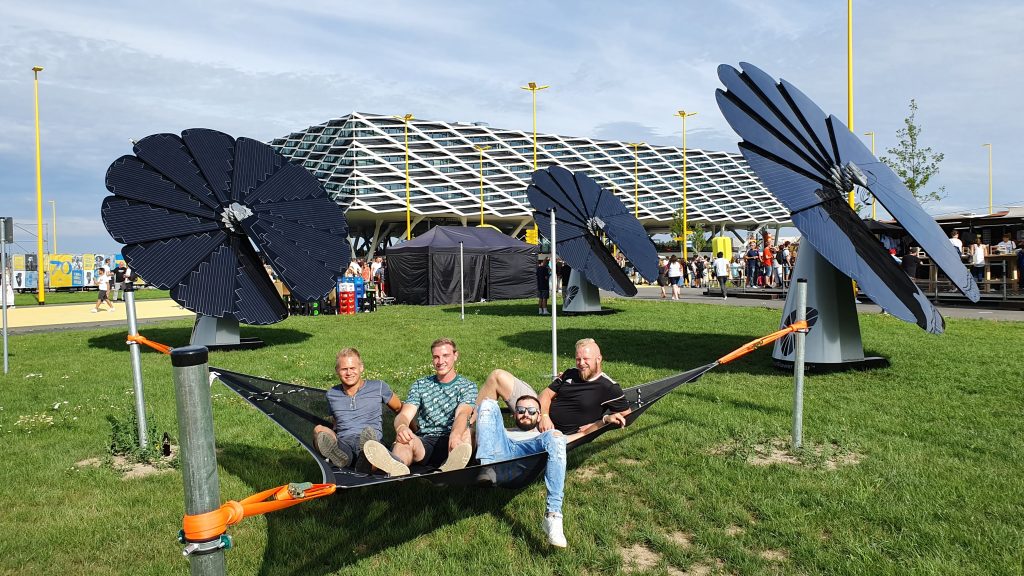
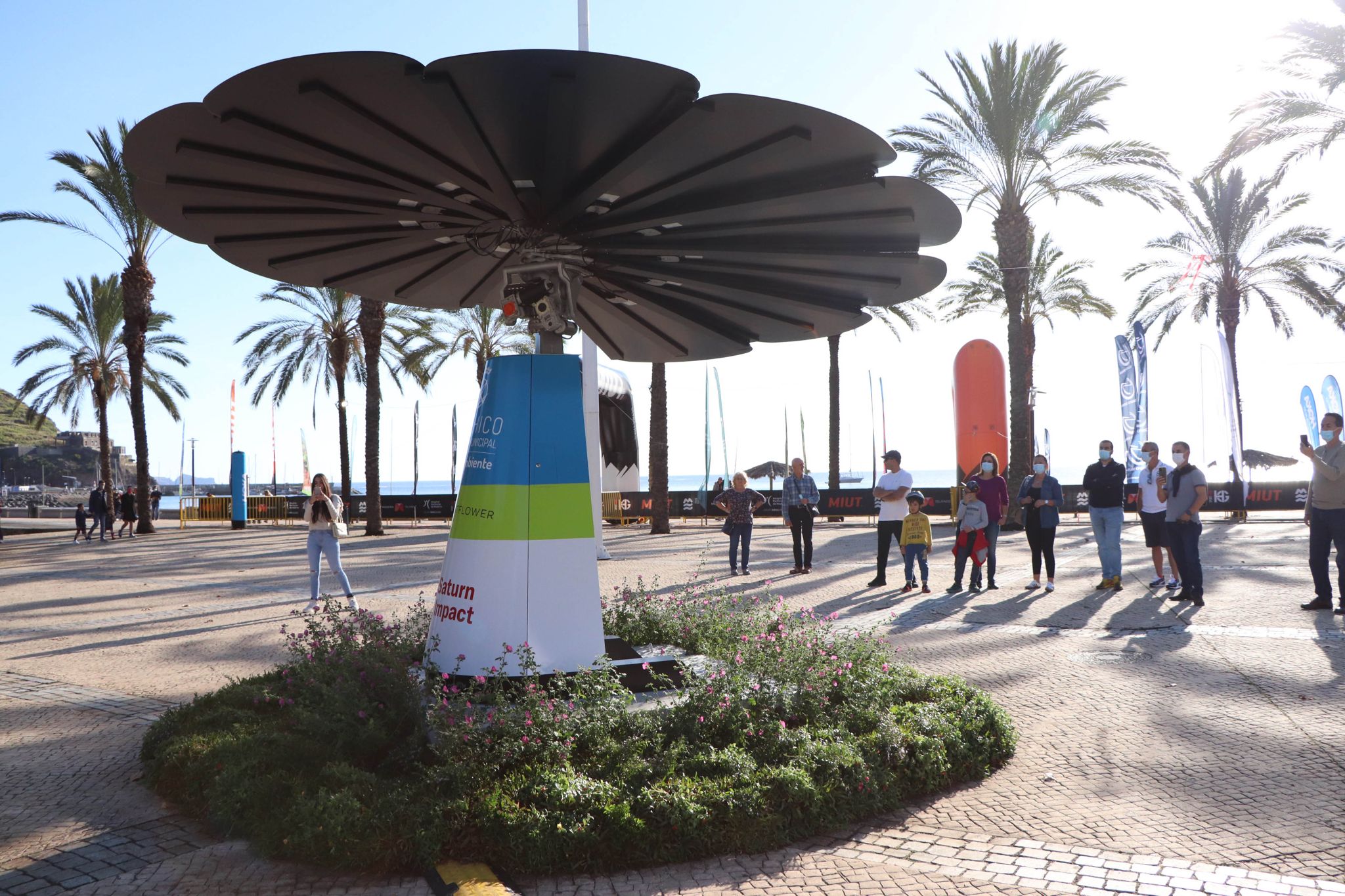
SmartFlower is solar infrastructure that opens each morning, follows the sun’s path across the sky all day, and closes at night. It’s a highly visible, physical demonstration of exactly what it’s doing and why. SmartFlower is a visible way to show sustainability leadership and community engagement.
The sculptural form also builds people’s trust. SmartFlower’s flower-like panels spark curiosity in a way a traditional solar panels can’t. Once someone stops to ask why it’s moving, the sustainability story tells itself, without a single word.
Beyond the visuals, SmartFlower is backed by real-time data. Every installation generates its own performance data: energy produced, CO2 offset, output that updates in real time.
Looking Forward
Brands trying to earn back consumer trust need to stop asking, “How do we say we’re sustainable?” and start asking, “How do we make sustainability observable and countable?” That means designing for visibility, not just messaging.


