
Why Infrastructure Projects Stall Before Construction Begins
Large-scale energy and infrastructure development requires years of pre-construction investment before a single piece of equipment arrives on site. When that investment is derailed by organized community opposition, the costs compound fast.
The developers who navigate that gauntlet successfully aren’t just better engineers or better lawyers. They’re better neighbors who gain trust by moving away from presentations and toward tangible, lasting demonstrations of commitment.
The Cost Driver
Any experienced project developer knows the budgets go off the rails because of contested permits, injunctions, legal fees, and PR campaigns that should never have been necessary due to community opposition.
Organized opposition campaigns are one of the most unpredictable and expensive variables in large development infrastructure and can stretch project timelines by months or even years.
Trust is Built in Actions, Not Presentations
Developers try to win over communities with polished presentations and earnest promises of jobs and economic benefit. However, communities that have seen developers come and go are skeptics who will not be moved by promises.
The developers gaining traction are making visible, physical investments in civic spaces—schools, town halls, libraries, parks—early in the development process. Communities stop thinking, “what will this project take from us,” and start realizing, “this developer has already given us something.”
A Visible Investment
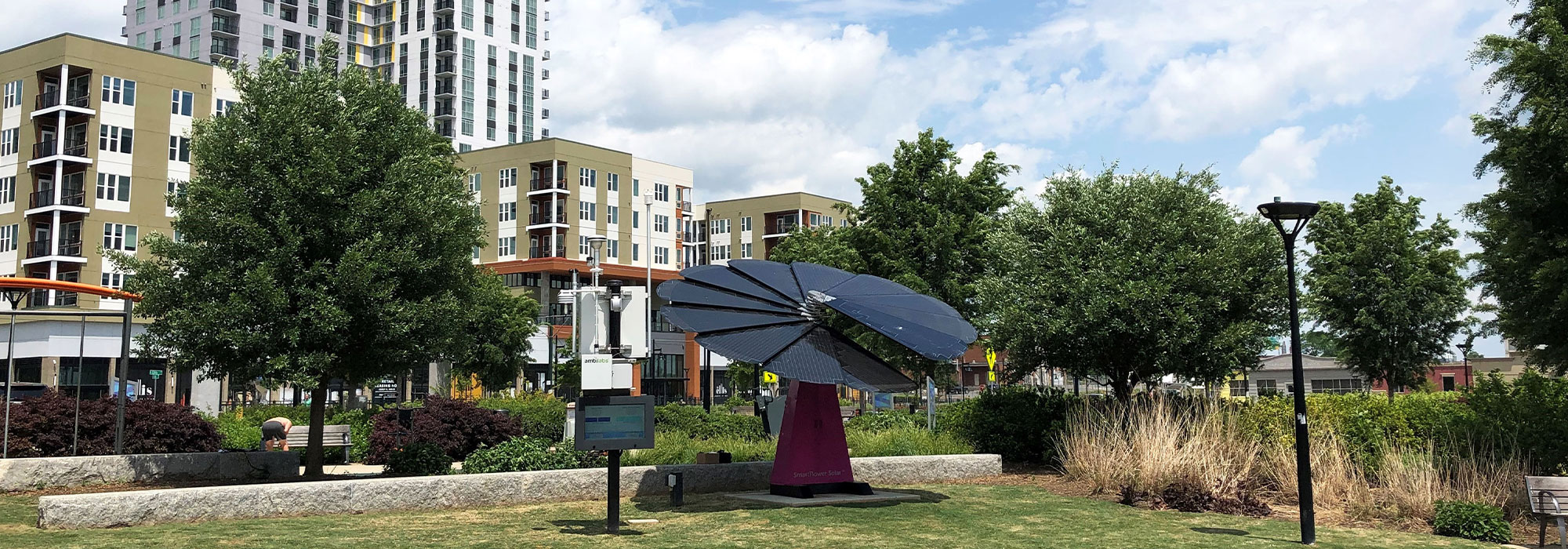
One approach that is gaining traction is the donation or installation of clean energy systems at civic locations. For instance, a solar system at a school or town hall is a meaningful and lasting contribution to a community landmark that goes beyond what promises can do. It’s physically present, serves the community every day, and visibly answers the question, “what does this developer really leave behind?”
The SmartFlower solar system is a notable example of this approach. Its distinctive sculptural design makes it an eye-magnet at civic locations. SmartFlower also serves as an educational tool, showing sustainability in real-time and fostering curiosity, making it a strong asset at schools and libraries.
A well-placed solar installation goes a long way: it generates clean energy, serves the community long after the project is complete, and is a PR machine that’s always working.
Build Something Worth Believing In
Successful project developers understand that community engagement is not a distraction from the real work; it is the real work. A developer that is viewed as a good partner is extremely difficult to organize against.
That kind of trust is built over time, through actions that are visible, enduring, and useful to the people who live there.
The question isn’t whether community investment is worth it. It’s what form of investment truly moves the needle—and a physical contribution that’s thoughtfully chosen, highly visible, and designed to educate and serve can move the needle more than anything else.


